Articles
Aquatics centre dives into next-generation LED lighting
12 October 2026 The London Aquatics Centre has undergone a major lighting upgrade with Signify, replacing its legacy system with LED technology to improve efficiency, meet broadcast standards and enhance the experience for athletes and...
12th October 2026Priva launches Cybersecurity Drop-in at Smart Buildings Show 2026
sponsored content 8 October 2026 A team of experts from leading building automation company Priva will be on hand at the Smart Buildings Show at ExCeL London on 14–15 October 2026, offering visitors the opportunity...
8th October 2026For over 35 years Energy in Buildings & Industry has been the go to publication for individuals who are responsible for reducing their organisation’s energy usage. Each monthly issue includes news, legislation updates, technical articles, product features, CPD Modules, comment and opinions.
Product Features
Platform monitors commercial kitchen energy use
30 October 2026 An operational intelligence platform developed by AIREDALE GROUP provides multi-site foodservice operators with equipment-level information on energy consumption and operating behaviour across their commercial kitchens. The Lighthouse platform can identify unnecessary energy...
30th October 2026Predictive analysis tools added to building automated software
27 October 2026 WebCTRL 11 is the name of the latest version of AUTOMATED LOGIC’s building automation platform, featuring updates to data analysis, troubleshooting and system management. New capabilities include TrailGuide semantic troubleshooting, Predictive Insights,...
27th October 2026Reports
21 October 2026
Reintroducing 5% VAR on energy saving materials: Impacts on heat pump deployment, Treasury receipts and economic value
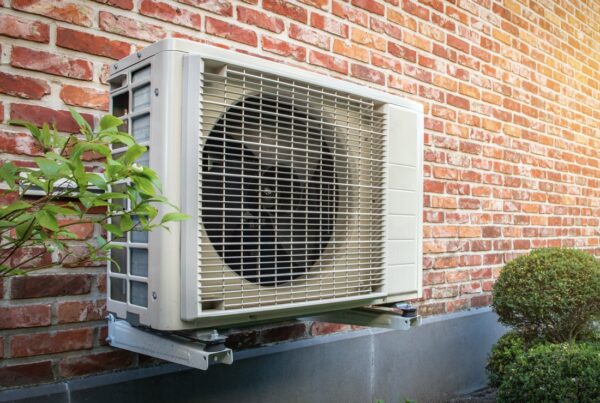
Analysis from the Sustainable Energy Association (SEA) outlines the impacts of reintroducing the 5% VAT rate on energy saving materials on heat pump deployment, treasury receipts, and economic value. Its modelling suggests that reintroducing the higher rate would reduce demand, leading to fewer heat pump installations, lower levels of economic activity and slower growth across the wider supply chain.