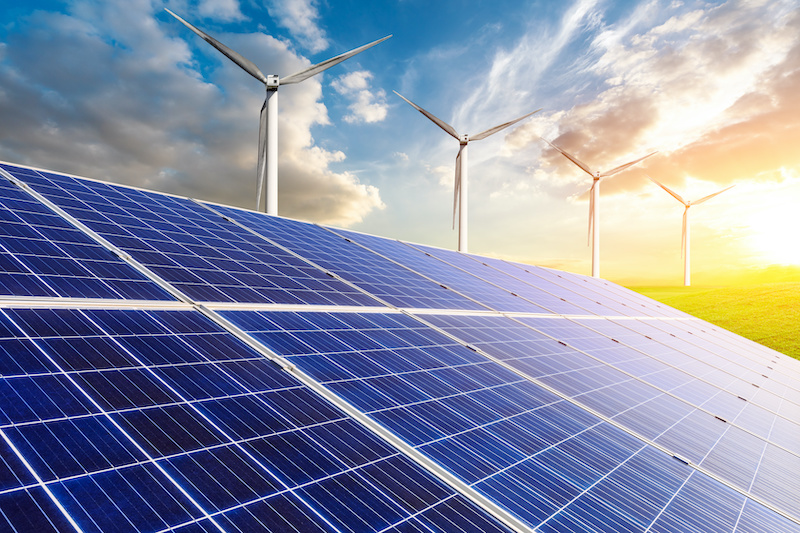
Wind and solar overtake gas in global electricity generation for first time
22 May 2026
Wind and solar generated more electricity than gas worldwide for the first time in April 2026, according to analysis by the energy think tank Ember, marking a significant shift in the global power mix during the latest international energy crisis.
Together, wind and solar produced 22% of global electricity in April, compared with 20% from gas. Combined output from the two renewable sources reached a record 531 terawatt hours (TWh), while gas-fired generation stood at 477 TWh.
The milestone came during the first full month of disruption linked to conflict in the Middle East, which has increased pressure on global energy markets. Ember says the growth of wind and solar generation was helping countries reduce dependence on imported gas despite continuing volatility in fossil fuel prices.
Five years ago, in April 2021, global gas generation was at a similar level of 476 TWh, while electricity from wind and solar totalled 245 TWh, less than half the current figure.
Renewable generation has risen strongly across countries reporting April data. China recorded a 14% increase in wind and solar output compared with a year earlier, while the European Union saw a 13% rise. Generation increased by 35% in the UK and by 8% in the United States.
The increase in renewable electricity has been large enough to meet most of the growth in global demand, limiting the need for additional gas generation. Ember’s analysis also found no evidence of significant switching from gas to coal during the current crisis.
Kostantsa Rangelova, a global electricity analyst at Ember, says:
“Countries around the world have been turning to wind and solar because they are cheap, homegrown and secure sources of electricity. The current energy crisis has further strengthened the economic case for renewables compared to imported gas, while also adding greater political urgency to accelerate deployment. For many importing countries, LNG-powered electricity is increasingly unable to compete with wind and solar.”
So far, wind and solar have overtaken gas only for a single month and not on an annual basis. April was the most likely month for this milestone, as spring conditions in the northern hemisphere – where most global solar capacity is concentrated – typically combine strong wind output with rising solar generation. At the same time, electricity demand is typically lower between the heating and cooling seasons, meaning gas generation tends to be lower than in most other months of the year.