
‘Super battery’ projects move to next stage of Ofgem scheme
24 September 2025
Ofgem has confirmed that 77 long duration electricity storage (LDES) projects are moving into the final assessment stage of its new support scheme.
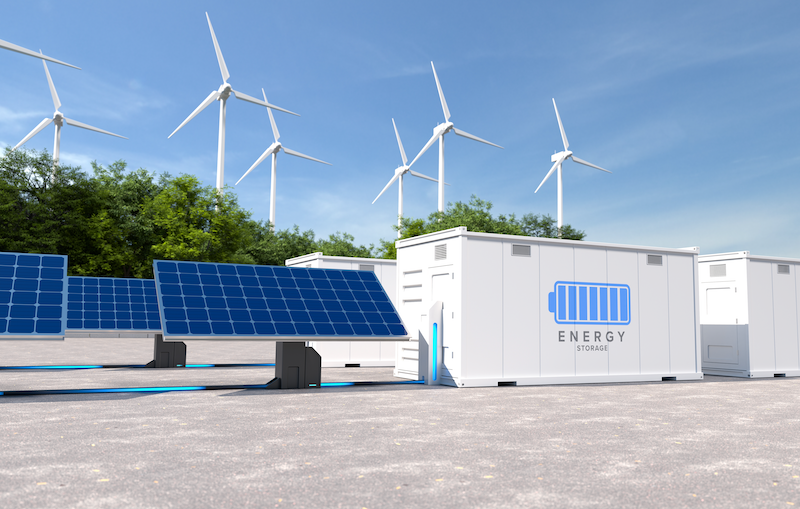
The regulator’s initiative is designed to back large-scale “super battery” technology that can store surplus renewable power when generation is high and release it when demand rises or output from wind and solar drops.
A total of 171 projects applied to take part in the scheme, which uses a cap-and-floor mechanism to secure investment. Ofgem says the 77 shortlisted schemes include lithium-ion and flow batteries as well as pumped hydro projects.
The move marks the first major push for new long duration storage in more than 40 years, with the government aiming to unlock billions of pounds of private investment while strengthening the UK’s clean energy economy.
By keeping renewables running on windy or sunny days rather than curtailing output, LDES could cut costs for consumers and reduce the need to bring gas-fired power stations online when generation falls short.
Beatrice Filkin, Ofgem’s director of major projects infrastructure, says the regulator is focused on identifying projects that could maximise use of renewable energy and deliver value for money.
“Renewable power is the key to seizing control of our own energy system and end the costly reliance on the turbulent wholesale gas market, so we don’t want to see a single watt go to waste.
“That’s why we need to boost our ability to store as much homegrown energy as we can to let the turbines keep turning when the wind is at its strongest – and on the days when the gusts drop and the sun doesn’t shine that reserve of excess clean power can be called upon.”
Great Britain currently operates 2.8 gigawatts of LDES capacity across four pumped storage hydro facilities in Scotland and Wales. Other forms of long-duration storage, including compressed air and liquid air technologies, are still being developed.
Ofgem will now request more detailed submissions from the shortlisted projects under its Final Project Assessment Framework, with final decisions on which projects will proceed expected in the summer of 2026.

