
Rules around getting smart meters fixed ‘too complex’
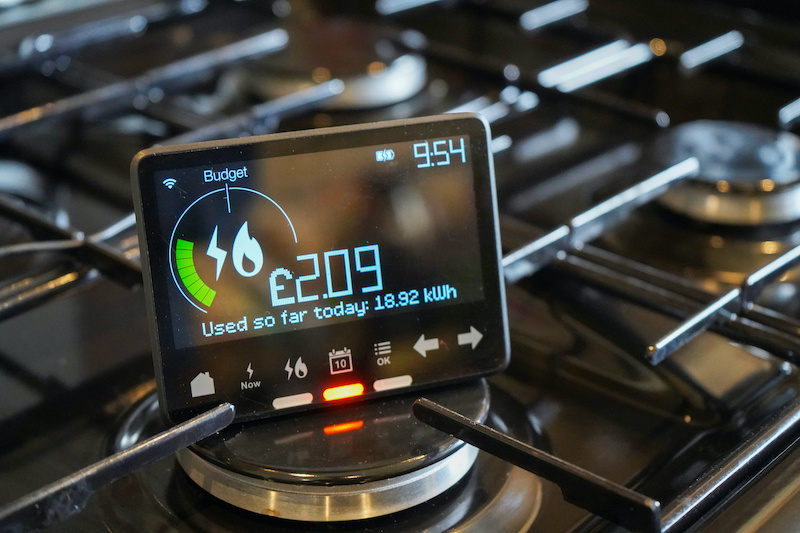
Millions rely on smart meters and in-home displays to track their energy usage but the rules around getting them fixed are too complex, according to a new study undertaken by the National Audit Office.
Around 3.8m of the 30m smart meters in homes across the UK are operating in dummy mode, according to government data. This means that they are far from smart as advertised and don’t send energy suppliers’ automatic meter readings. Millions more households have functional smart meters, but inoperable in-home displays.
The gadgets were first introduced to homes in 2011 and initially, the government gave a target of having one in every home in the UK by 2020. But that deadline has since been pushed back to 2025.
Having a faulty or dummy device means that households are unable to take advantage of electric vehicle (EV) and solar energy tariffs, which are only offered to those with working smart meters. This also mean these households miss out on taking part in the demand flexibility service tests from the National Grid which pays households back for cutting their usage at peak consumption times.
In August 2022, a survey of 1,580 adults for Smart Energy GB – the smart meter campaign run by larger electricity companies – found 37 per cent of respondents with smart meters claimed to have had an issue with their meter at some point following its installation, including no automatic readings, inaccurate bills and the smart meter or in-home display not showing information.
According to the Ombudsman service, complaints relating to faulty and inoperative smart meters are rising. While OFGEM “licence conditions” requires suppliers to take “reasonable steps” to operate smart meters, the regulator provides no guidance on whether suppliers should bear the cost of replacing faulty smart meters or in-home displays if they are over 12 months old.
This is an issue regularly raised by former Energy Secretary Dame Andrea Leadsom, as convenor of the Conservative backbench 1922 energy committee.
There is a financial disincentive for suppliers when it comes to dumb smart meters. Replacing a malfunctioning meter is estimated to cost suppliers around £300. Some suppliers have opted to provide this service free of charge. Octopus Energy, Ovo Energy, Utilita and Shell Energy said that they will never charge customers for replacing a faulty smart meter or in-home display even if it is more than a year since installation, although Ovo excludes IHDs that have been damaged by the consumer.

