
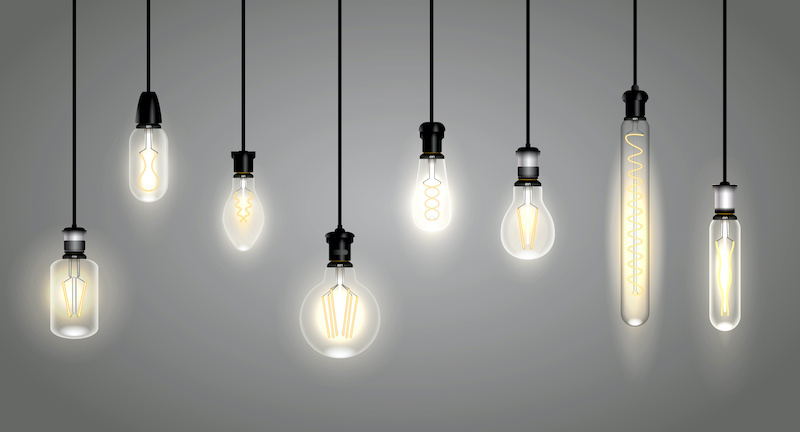
Proposal to beef up lighting efficiency standards
The government is proposing to increase minimum efficiency standards for lighting in a bid to cut energy use and save money for households and businesses across Great Britain.
The new proposals would introduce performance standards for domestic and non-domestic buildings in England, Scotland and Wales that are higher than regulations currently in place in either the US or EU.
Introducing higher standards for lighting products will see only the most energy efficient light bulbs, such as ones powered by low energy-use LEDs, available in shops, making it easier for consumers to replace old bulbs with ones that use less energy, while still providing the same levels of lighting performance.
The government claims that replacing a household’s halogen bulbs with LEDs could save consumers around £2,000 to £3,000 over the lifetime of the bulbs.
Global innovation in lighting technology in recent years has made it possible to achieve greater energy savings and the proposed minimum energy performance standard reflect what is already technologically and reasonably achievable for lighting products.
As of March 2022, half of product models on the GB market already met this standard, but with lighting accounting for a significant portion of electricity use in buildings, the proposed regulations could result in 1.7 million tonnes of carbon savings by 2050, the equivalent of a year’s worth of carbon emissions from 2.5 million UK households.
If adopted, the proposals in the government consultation being launched today would come into force in late 2023, with further increased minimum standards introduced from September 2027.
Stew Horne, head of policy at Energy Saving Trust, said: “Energy Saving Trust welcomes the government’s proposals to improve lighting performance standards, which would directly benefit households and businesses by saving energy and reducing bills. We look forward to helping shape these standards as part of the transition to decarbonisation.”

