
Kew Gardens unveils plans for net zero heritage glasshouses
18 July 2025
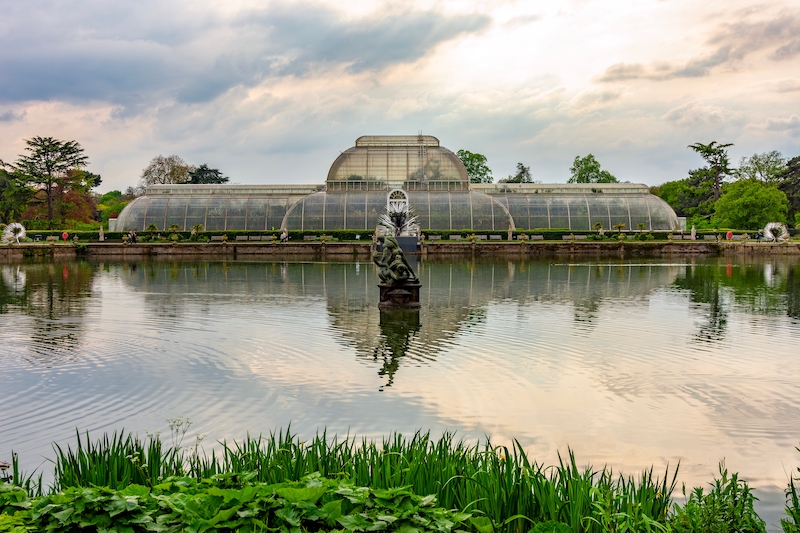
The Royal Botanic Gardens, Kew has submitted plans to transform its Grade I listed Palm House and neighbouring Waterlily House into what it claims will be the world’s first net zero heritage glasshouses.
The £60 million proposal outlines an ambitious renovation of the Victorian structures, both facing serious deterioration since their last restoration in the 1980s. The project is expected to conserve the historic fabric of the buildings while dramatically enhancing their energy efficiency.
Constructed in the mid-19th century, the Palm House was a pioneering feat of engineering at the time, using shipbuilding techniques to create a structure suited to tropical plant life. Its companion, the Waterlily House, was designed specifically to house Victoria amazonica, the world’s largest species of waterlily.
At the heart of the renovation is a shift away from fossil fuels to fully electrified systems powered by renewable energy. Engineers propose replacing over 16,000 panes of glass with high-performance sealed glazing and incorporating air and water source heat pumps. Bespoke silicone gaskets will be used to reduce thermal loss, and rainwater harvesting will be expanded to support irrigation. Despite these technical interventions, original materials and features, such as Sir William Nesfield’s 19th-century garden layout, will be sensitively preserved.
Achieving net zero in a Victorian glasshouse presents unique challenges, requiring coordination between plant science, climate control, conservation architecture and structural engineering. The design team, including Hugh Broughton Architects and Cundall engineers, has spent years developing an approach that balances plant health with carbon reduction.
Richard Deverell, director of RBG Kew:
“This is a pivotal moment in the history of Kew. With sustainability at the core of our mission, this project exemplifies our commitment to safeguarding both the environment and cultural heritage. The transformation of the Palm House and Waterlily House into net-zero icons will not only protect irreplaceable plants but serve as a beacon of what sustainable heritage can achieve.”
Construction is scheduled to begin in 2027 and will take four to five years to complete. Once finished, the renovated glasshouses will align with Kew’s Climate Positive 2030 strategy and serve as a model for sustainable preservation of historic buildings.
Funding is ongoing, with support already pledged from Defra, charitable trusts, and private donors.

