
Government launches £200m solar initiative for schools and hospitals
Hundreds of schools, NHS trusts and communities across the UK will benefit from new rooftop solar power and renewable schemes to save money on their energy bills, thanks to a total £200 million investment from the UK government and Great British Energy.
Part of the government’s Plan for Change, Energy Secretary Ed Miliband announced the first major project for Great British Energy – a company owned by the British people. It will immediately begin working with schools, the NHS, and devolved governments to install solar panels, build local clean power and bring down energy bills.
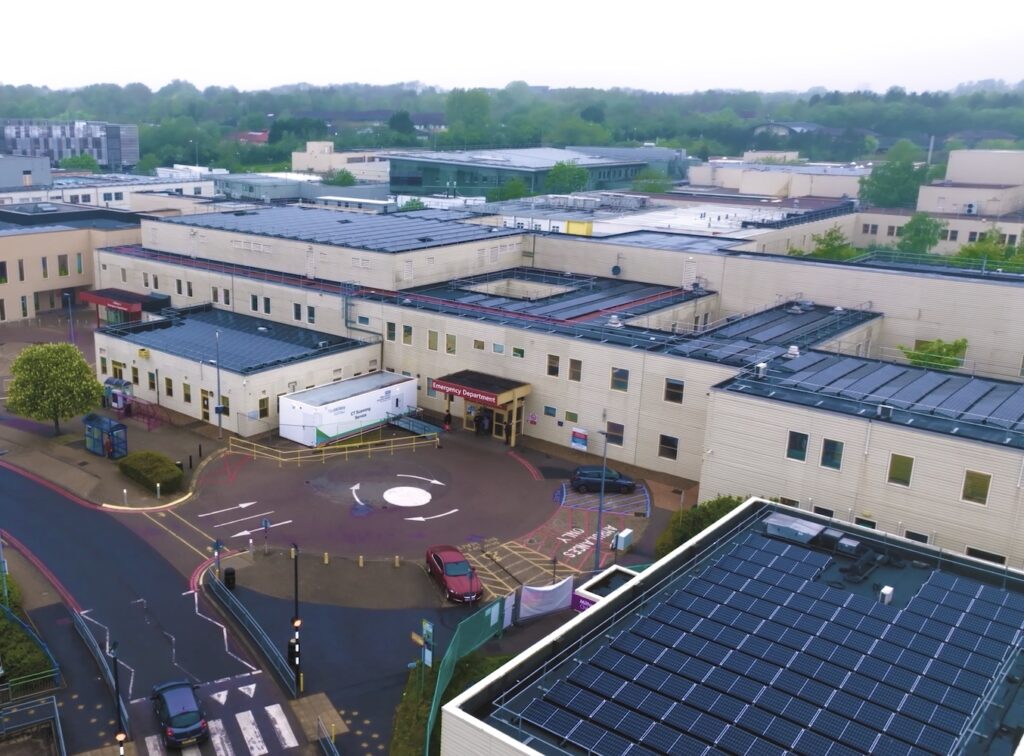
In England around £80 million in funding will support around 200 schools, alongside £100 million for nearly 200 NHS sites, covering a third of NHS trusts, to install rooftop solar panels that could power classrooms and operations, with potential to sell leftover energy back to the grid. The first panels are expected to be in schools and hospitals by the end of summer 2025, saving schools money for the next academic year.
Schools and hospitals have been hit with rocketing energy bills in recent years, costing taxpayers millions of pounds, and eating into school budgets. This has been driven by the UK’s dependency on global fossil fuel markets. The NHS is the single biggest public sector energy user, with an estimated annual energy bill of £1.4 billion, that has more than doubled since 2019.
Great British Energy’s first investment could see millions invested back into frontline services, targeting deprived areas, with lifetime savings for schools and the NHS of up to £400 million over around 30 years.
Estimates suggest that on average, a typical school could save up to £25,000 per year, whilst the average NHS site could save up to £45,000 per year on their annual energy bill if they had solar panels with complementary technologies installed such as batteries.
In addition, local authorities and community energy groups will also be supported by nearly £12 million to help build local clean energy projects – from community-led onshore wind, to solar on rooftops and hydropower in rivers – that can help drive growth. These could generate profits which could then be reinvested into community projects or take money off people’s bills. A further £9.3 million will power schemes in Scotland, Wales and Northern Ireland including community energy or rooftop solar for public buildings.
Industry leaders have reacted positively to Great British Energy’s announcement, viewing it as positive step towards decarbonisation, public service improvement, and community engagement in renewable energy.
Trevor Hutchings, CEO of the Renewable Energy Association (REA):
“I welcome this announcement as it will reduce emissions from our schools and hospitals and save millions on energy bills. It will also help engage and excite our young people on net zero and the clean technologies of the future. Leadership on decarbonising the huge public sector estate is essential, and we would encourage GB Energy to go further and faster, especially in innovative areas where mainstream sources of funding are less available, such as decarbonising heat and transport.”
Charles Wood, deputy director, Energy UK:
“It’s great news to see schools and hospitals benefitting first from this commitment to local and community energy projects. Cutting energy bills not only means more funding for these essential public services but also shows how the shift to clean energy can directly benefit local communities and give them a real stake in such initiatives.
“So we hope that these projects are just the start of a real growth in community-led energy, creating jobs, boosting growth, and lowering energy costs by making the most of local resources.
“Reducing carbon emissions and protecting public health go hand in hand with decarbonising the public sector. Energy UK members remain committed to working with schools, emergency services, and public transport to ensure a fair and sustainable energy transition.
“Private sector investment is key to delivering local and community energy projects across the country, and this year will be crucial in shaping how GB Energy can attract such funding to support them. The energy sector looks forward to sharing its expertise, capabilities, and investment to develop a robust community energy sector that benefits consumers, communities, and our economy.”
Chris Hewett, chief executive of Solar Energy UK:
“This is a very wise piece of public investment. Slashing bills while cutting emissions is exactly why Great British Energy was established. Just like households, schools and hospitals alike have been beset by high energy bills over recent years, pulling precious funds from where they should be going. So every penny put into solar photovoltaics and energy storage for public buildings means more cash for the services we all depend on – and help teach the next generation the value of renewable energy.”
Stew Horne, head of policy at Energy Saving Trust:
“Today’s announcement marks a positive first step for Great British Energy. We’re pleased the UK Government has used this opportunity to demonstrate its commitment to accelerating local and community energy projects.
“Using public buildings is an effective way to rapidly roll out solar, contributing to the clean power mission and the 8GW local power plan target. Reinvesting savings from cheap, local power into public services will also demonstrate that communities can feel tangible benefits from the shift to renewables. The focus on installing solar panels in disadvantaged areas is welcome to support a fairer energy transition, in which everyone can benefit.
“We now look forward to helping the UK Government to shape the Local Power Plan to ensure it supports the community energy sector to grow. We know from our first hand experience delivering the Scottish Government’s Community and Renewable Energy Scheme and the Welsh Government Energy Service, the importance of end-to-end advice for communities to develop impactful projects and we hope to see the same focus in England.”

