Gas standing charges: what the Budget change means for bills
28 October 2026
Households that use less gas could save money under plans to abolish fixed daily gas charges, while those that use more may face higher bills.
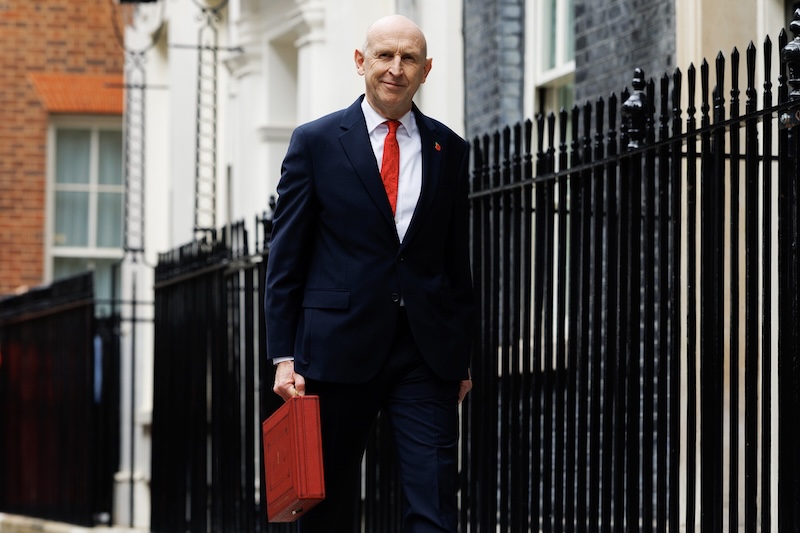
Chancellor John Healey announced the plans in the Budget, with around 23 million homes expected to be affected. The government will ask energy regulator Ofgem to oversee the removal of gas standing charges in 2027.
Standing charges are fixed fees paid every day for a gas supply, regardless of how much energy a household uses. A typical household currently pays around £108 a year in gas standing charges, even if it uses very little gas or none at all.
Under the new system, these costs will be added to the price consumers pay for each unit of gas. This means the unit rate will rise to reflect the removal of the fixed fee, making the overall bill more dependent on how much gas a household uses.
The government estimates that about 60% of households with energy accounts could save an average of £45 a year. However, the £108 currently paid in standing charges will not represent a direct saving, as these costs will instead be recovered through the unit rate.
Households with lower gas consumption are expected to benefit, while those using above-average amounts could pay more. The final impact will depend on how much gas each household uses and how energy prices change.
Estimates of the potential savings vary. The government puts the average annual saving at £45 for households that benefit, while the innovation charity Nesta has previously estimated that a typical household with gas and electricity could save around £27 a year.
Andrew Sissons, director in sustainable future at Nesta, says:
“Ditching the gas standing charge rightly takes a big chunk off millions of people’s energy bills, sharing costs more fairly and giving cash-strapped households a much-needed boost. This measure will provide relief to the poorest households who ration their gas use but it will also mean that switching to electric heating such as heat pumps is a better deal for some households that use more gas.”
The government has said it will announce targeted support for a small number of households that could be adversely affected by the change. Further details, including how the new arrangements will apply to different tariffs and payment methods, have yet to be confirmed.
The plans apply to gas standing charges only. Electricity standing charges will remain in place for now, although the government expects to set out further proposals for reform next year. A reduction in VAT on electricity bills took effect earlier in October 2026, lowering the energy price cap by £45 a year compared with what it would otherwise have been, according to the government.
Ed Thomas, head of government and external affairs at Worcester Bosch, says:
“The announcement of the end of the gas standing charge is welcome news to consumers worried about their energy bills. While the costs will be added to the unit price of gas instead, this will still result in lower bills for many households who consume smaller amounts of gas.
“Alongside this immediate relief, it’s crucial we help households use less energy without compromising on comfort. Helping people get the most out of their existing heating systems – and making sure people choose the right heating solution for their home – is a simple, practical way to cut down on wasted energy. Longer term, the government should consider how to make upgrading heating technology and retrofitting homes simpler, more affordable and attractive to the consumer. This will empower people to stay warm while reducing emissions.”
Dr Craig Lowrey, principal consultant at Cornwall Insight:
“Shifting more of the cost onto each unit of gas could give the energy transition a boost, making heat pumps a more attractive option against a gas boiler for higher-use households.”
Image credit: Picture by Lauren Hurley / Treasury CC BY-NC-ND 4.0