
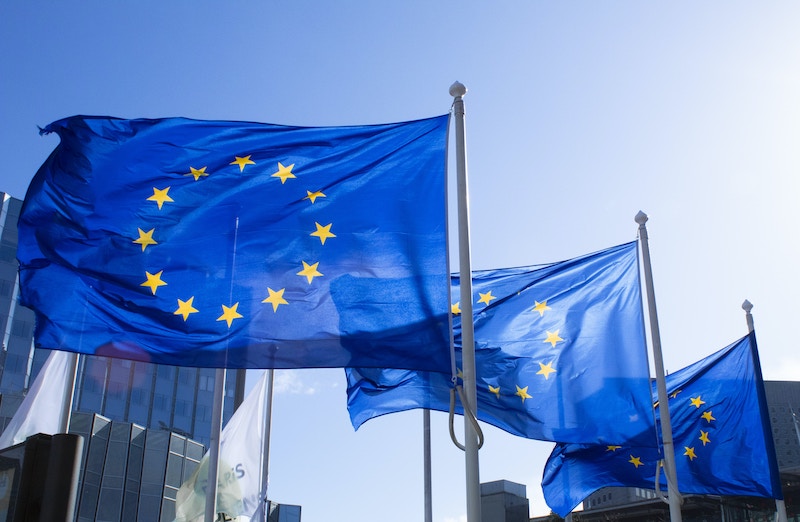
European energy efficiency directive will cut consumption by more than 11%
The EU has adopted new rules that will reduce final energy consumption at EU level by 11.7% in 2030.
The updated legislation introduces various measures to speed up energy efficiency, including making it a legal requirement for EU countries to prioritise energy efficiency in policymaking, planning, and major investments, giving the ‘energy efficiency first principle’ significant legal importance for the first time.
The public sector will be expected to act as a role model of energy efficiency. It will be required to reduce its energy consumption by 1.9% each year and renovate buildings to meet a 3% energy-saving target annually.
Meanwhile, businesses operating in the EU will get help in assessing their energy use practices, with energy management systems becoming a default requirement for large energy consumers, and will be subject to mandatory audits in the event of non-compliance.
The agreement also introduces a reporting scheme of energy performance in large data centres, promoting transparency and optimisation of energy efficiency potential.
The annual energy savings target for final energy consumption will gradually increase from 2024 to 2030. Member states will have to ensure new annual savings of 1.49% of final energy consumption on average during this period, gradually reaching 1.9% on 31 December 2030.
The agreement supports energy efficiency financing to encourage investments, especially from the private sector, as public resources for clean energy are limited. EU countries will promote innovative financing and green lending to make it easier for everyone to invest. Reporting on energy efficiency investments will be improved for better accountability and transparency.
EU commissioner for energy, Kadri Simson, comment4ed: “Another milestone has been achieved. Our increased ambition and stronger measures on energy efficiency will accelerate the energy transition. The EU’s security of supply will be boosted, and our dependency on Russian fossil fuels will further decrease, in line with the REPowerEU Plan. The strengthened energy efficiency directive will help us achieve these goals collectively across the EU.”
Image credit: ALEXANDRE LALLEMAND via Unsplash

