
End of Energy Price Guarantee will see prices rise sharply
Following the new Chancellor’s recent announcement that the Energy Price Guarantee (EPG) will stop after six months, Cornwall Insight is projecting the average annual energy bill will rise to more than £4,000 from April.
The domestic price cap for a typical dual-fuel tariff is expected to hit £4,347 in absence of any government intervention. After that, the price cap will reduce slightly to £3,697 in the July to September quarter, and then £3,722 from next October until the end of 2023.
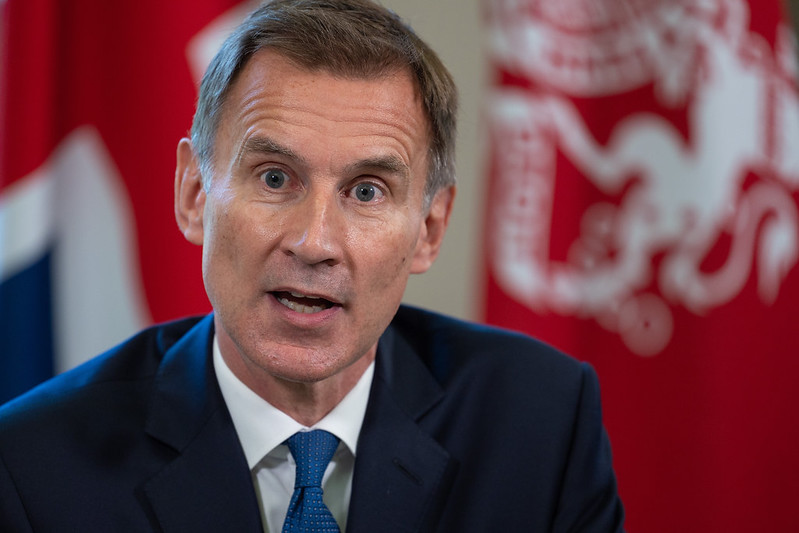
The EPG in its original form was designed to cap the unit price of energy for two years from this month, but Chancellor Jeremy Hunt said he had find a “new approach” to energy bills that will “cost the taxpayer significantly less”.
Now the Treasury is looking for ways to target the policy at consumers most in need of support after the EPG comes to an end in April.
Prior to the government’s U-turn, analysts at Cornwall Insight had said the EPG subjected public finances to electricity and gas prices in unpredictable global commodity markets. In a worst case scenario, the policy could have cost the government as much as £140 billion over two years.
They recommended a review of the universal nature of the domestic EPG and a plan to develop options for targeted schemes that protect the most vulnerable, alongside increasing the focus on energy efficiency.
Jeremy Hunt has also signalled that the Energy Bill Relief Scheme, which provides support for businesses and public institutions, will be scaled back. It will operate as planned until the end of April, and extensions will be treated with fiscal restraint.
“Any support for businesses will be targeted to those most affected, and the new approach will better incentivise energy efficiency,” said Mr Hunt.
Commenting on the government’s latest U-turn, Gareth Miller, CEO at Cornwall Insight, said: “Now constructive attention needs to turn to what a replacement scheme looks like from April to ensure that those who need support receive it, and that whatever options are taken forward can form the foundation stones of an enduring, fair and sustainable market after the current crisis subsides.
“Work on refined domestic support, alongside developing a prospectus for what replaces the Energy Bill Relief Scheme for business, will now need to begin and begin rapidly.”

