Communities to share in the cost of Britain’s grid upgrade
13 August 2026
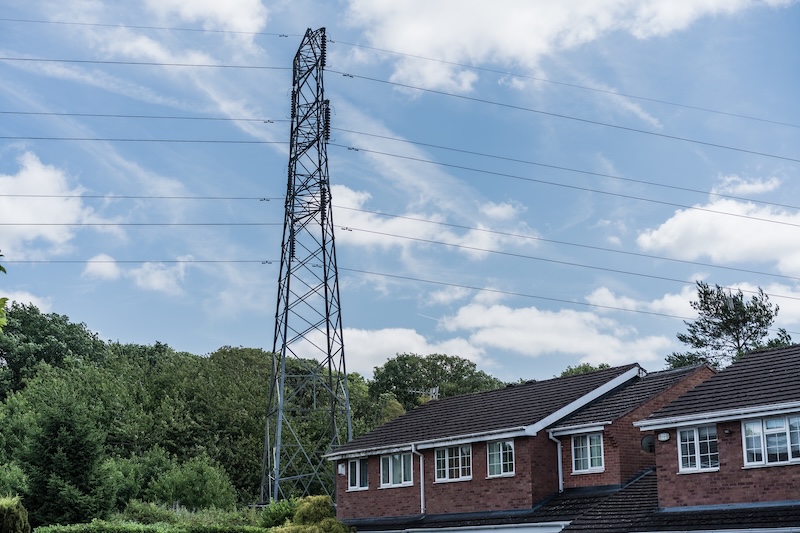
Households living near new electricity pylons could save up to £2,500 on their energy bills over the next decade, as the government offers discounts to communities hosting new grid infrastructure.
The Bill Discount Scheme will initially cover households within 500 metres of 43 new or upgraded transmission projects across Britain. The government says the payments are intended to give communities a direct financial benefit from hosting infrastructure needed to expand the electricity network.
Payments are expected to begin next year, although households will only become eligible once projects have received the necessary consents and main construction work has started. Projects where construction began on or after 10 March 2025 can qualify.
Most eligible households will receive the discount automatically through their electricity supplier every six months. Those with commercial meters may need to apply.
The government expects hundreds of thousands of homes to benefit as more projects are added to the scheme over the next decade.
Energy Minister Michael Shanks says:
“Upgrading Britain’s electricity grid is a vital part of how we deliver secure, homegrown energy and unlock economic growth across the country. It is a moment of national renewal – upgrading what was built largely in the 1960s for the modern age to bring down electricity bills for households across the country.
“It’s vital we build again as a country and we are determined those communities which host pylons should benefit, which is why we’re bringing down the energy bills of those hosting this vital national infrastructure.”
The payments are part of a programme to upgrade the electricity transmission network, much of which was built in the 1960s. New infrastructure is needed to connect additional electricity generation and increase the capacity of the network.
The scheme comes as the government seeks to expand the grid to support more renewable electricity. Independent research published in June found that overhead pylons remain the most cost-effective option for upgrading the transmission network.
Communities hosting electricity infrastructure can also receive funding for local projects under separate community benefit arrangements.
The 43 projects announced represent the first wave of infrastructure covered by the scheme, with further projects expected to be added as it is rolled out.