AI demand puts pressure on data centre maintenance
28 August 2026
Growing demand for artificial intelligence is putting greater pressure on data centre cooling and power systems, prompting calls for operators to move towards more predictive maintenance.
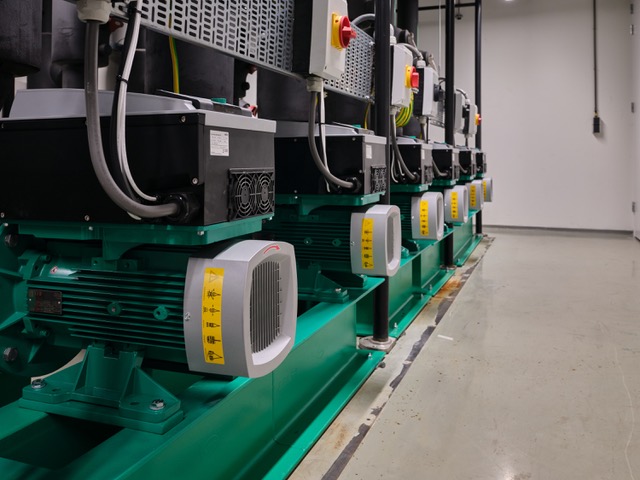
Engineering manufacturer Wilo said high-density GPU clusters were placing cooling, pumping and electrical systems under increasing strain, making equipment failures more difficult to anticipate.
Its research, published in June, found that 74% of UK data centre operators still use reactive or preventative maintenance strategies. Almost half (45%) identified unexpected asset breakdowns as a key challenge.
The International Energy Agency (IEA) reported that electricity consumption from the data centre sector increased by 17% in 2025 and forecast that demand could double by 2030.
Alice Oakes, service and support manager at Wilo, says:
“AI is changing the industry, not least the world, as we know it. As capacity increases to meet its intensive demands, so do the stakes. The potential consequences of just one asset, a pump for example, failing are only growing. Major disruption, reputational damage and financial penalties follow.
“There is therefore an imperative need for maintenance strategies to mirror the advancements in the technology that data centres are now accommodating. They are, after all, critical national infrastructure, meaning every aspect of their operations must be treated accordingly.”.
Predictive maintenance can use real-time information from equipment such as pumps, motors and cooling systems to identify potential faults before they cause failures. It can also be used to schedule maintenance and spare-parts requirements based on the condition of equipment, rather than fixed intervals or after a failure has occurred.
Oakes adds: “Predictive maintenance is a fundamental element of a successful setup in today’s data centre environment. Given the mounting pressure on systems, breakdowns simply cannot be unexpected. Operators must plan for every eventuality.”