
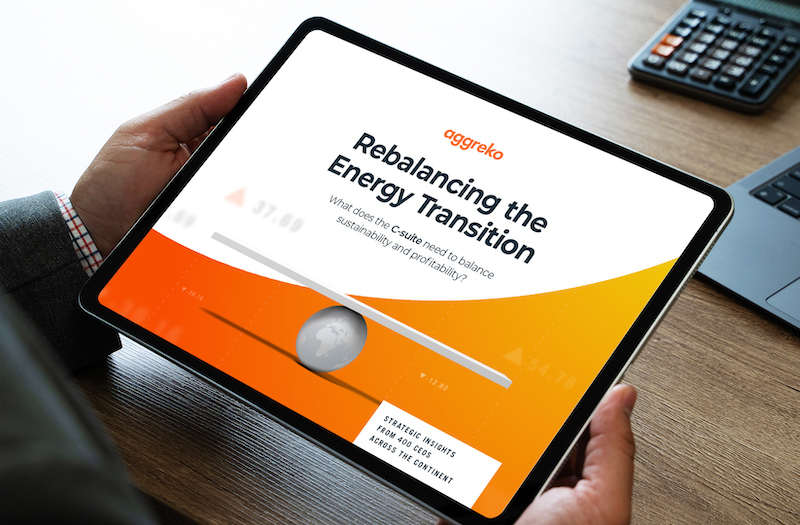
CEOs adjust net zero timescales in face of high energy costs
New research has found that CEOs across major European economies are re-evaluating their plans for reaching net zero carbon emissions in the face of high energy costs and economic uncertainty.
The survey of 400 leaders from some of Europe’s largest companies found that 95% have now altered the timescales for decarbonising their operations. Only 12% said making a speedy transition away from fossil fuels remained their top priority, with most citing issues like reducing energy bills and maintaining commercial viability as bigger concerns right now.
The research – presented in Aggreko’s latest report Rebalancing the Energy Transition – also reveals that 80% still aim to boost investment in their energy transition over the next year. However, most said any increases would be relatively small as they balance environmental goals with keeping their businesses profitable.
Accessing finance was identified as a challenge by many. Aggreko is now calling on companies to ‘lean on’ their supply chains more to help deliver on net zero commitments within the required timeframes – all while balancing profitability with ESG goals.
Robert Wells, Aggreko’s Europe president, says:
“It is not surprising that our research has uncovered leaders across Europe are looking for change when it comes to their energy supply chain. In a tough economic landscape, grid instability and connection delays, price uncertainty and looming ESG targets are impacting many businesses’ energy transitions.
“With appetite for decentralisation and alternative power agreements on the rise, we have launched our report to help leaders understand the market and how it is evolving, in addition to the procurement methods at their disposal. Key to this is providing access to solutions that ensure that high energy using industries can remain profitable during their energy transition without compromising on ESG commitments.
“We are a strategic supply chain partner to organisations across Europe. Working closely with many customers from energy intensive industries, we have already been working to develop renewable energy developments, establish alternative power agreements and make technologies available for projects imminently. Particularly when capital is at a premium, supporting customers with controlling costs and energy supply will remain a key part of ensuring a smooth energy transition.”
For more information and to read Rebalancing the Energy Transition, click here.

