Are green roofs worth it for warehouses and factories in the UK?
28 April 2026
As the UK continues its push towards net zero, businesses are under increasing pressure to reduce emissions and improve the environmental performance of their buildings. For warehouses and factories, one increasingly popular solution is green roofs. Mike Storey, a green roof expert at UKFR Roofing & Insulation, believes that each business should assess the benefits on a case-by-case basis.
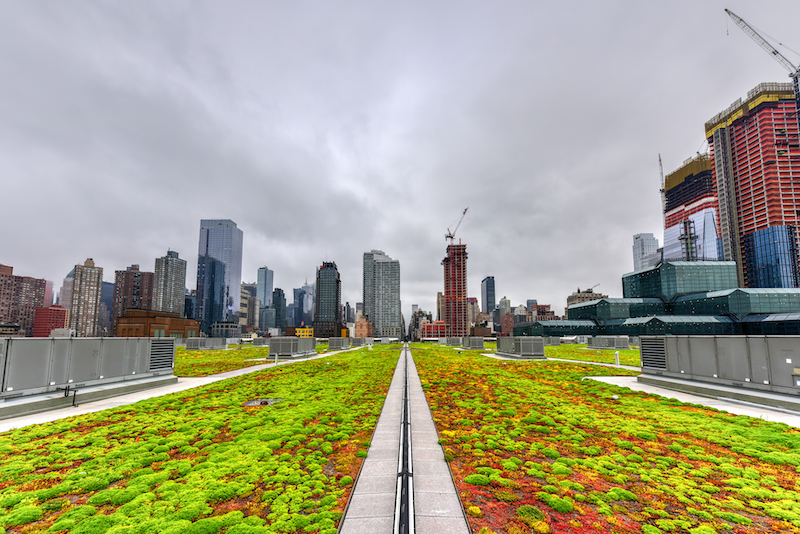
Green roofs, which incorporate vegetation layers on top of a building, are renowned for their environmental benefits. Studies show green roofs can reduce roof surface temperatures by around 13°C and reduce the cooling load by 70%, making them particularly appealing for large-scale industrial sites.
However, while the environmental case is compelling, many business owners are understandably asking the more practical question of whether green roofs are worth the investment for warehouses and factories.
Green roofs can offer significant benefits for industrial buildings, but they’re not a one-size-fits-all solution. The value really depends on the building’s structure, usage, and long-term sustainability goals.
Energy efficiency and cost savings
One of the biggest advantages of green roofs is their insulating properties.
Warehouses and factories often struggle with temperature regulation due to their size. A green roof adds a natural layer of insulation, helping keep heat in during winter and out during summer. Over time, that can translate into significant energy savings.
In addition, reduced temperature fluctuations can help protect stored goods and improve working conditions for staff.
Stormwater management and flood prevention
Green roofs also play a role in managing rainfall, something we get a lot of across the UK.
Industrial sites typically have large roof areas, which means a lot of runoff during heavy rain. A green roof can absorb and slow that water, reducing pressure on drainage systems and lowering flood risk.
This can be particularly beneficial in urban or flood-prone areas, where sustainable drainage solutions are becoming more important for planning compliance.
Biodiversity and corporate sustainability goals
For companies looking to strengthen their environmental credentials, green roofs can support biodiversity by creating habitats for birds, bees, and other pollinators.
Beyond the practical benefits, there’s also reputational value. Businesses are increasingly expected to demonstrate sustainability in action, and green roofs are a visible way to do that.
Upfront costs and structural considerations
Despite the advantages, green roofs do come with challenges, particularly around installation costs and structural requirements.
Industrial buildings need to be assessed carefully before installation. Green roofs add weight, so the existing structure must be able to support it. In some cases, reinforcement may be needed, which increases costs.
Installation can also be more expensive than traditional roofing systems, which may deter businesses focused on short-term budgets.
Maintenance and long-term commitment
While often rightly described as low-maintenance, green roofs still require ongoing care.
They’re not completely hands-off. Routine inspections, drainage checks, and occasional planting maintenance are all part of keeping the system performing well.
However, when properly maintained, green roofs can extend the lifespan of the underlying waterproof membrane by protecting it from UV exposure and extreme weather.
So, are they worth it?
Ultimately, the decision comes down to long-term priorities.
For warehouses and factories with the right structural capacity and a focus on sustainability, green roofs are absolutely worth it. They offer energy savings, environmental benefits, and can even enhance a company’s reputation. But it’s important to weigh the upfront investment against the long-term gains.
As UK industry continues to evolve, green roofs may well become a more common feature of the industrial landscape, not just as a sustainability statement, but as a practical business investment.
For more information, visit UK Flat Roofing.
Photo credit: Adobe Stock by demerzel21